

25-acre colonial-era farmstead, home to the West Windsor History Museum. Features a ca. 1758 farmhouse, mid-1700s Dutch-English barn (recently listed as eligible for the National Register of Historic Places), early-1900s wagon house recreation, mid-1800s schoolhouse recreation, and more. Owned by West Windsor Township and run by the nonprofit Historical Society of West Windsor. Free admission to most or all events each year!
Place Category: Museum
-

Historical Society of Princeton
The Historical Society of Princeton (HSP) headquarters is at Updike Farmstead at 354 Quaker Road. A hub for cultural enrichment, experiential education, and stewardship of collections and places, HSP preserves and shares Princeton’s diverse, important, and fascinating stories with wide audiences. In so doing, HSP enhances community vitality and builds historical literacy, cornerstones of healthy civic culture.
HSP is excited to participate in the 250th celebration, a multi-year, nonpartisan initiative honoring the nation’s history, diversity, and resilience. We have a variety of exhibitions, programs, and community events planned to educate and reflect on the past, while looking toward the future. https://princetonhistory.org/programs-events/americas-250th/
-

Tulpehaking Nature Center
Tulpehaking Nature Center is the gateway to exploring the Abbott Marshlands, with rotating exhibits and public programs that feature the nature and archaeology of this wonderful place, coordinated with hands-on activities, live turtles and snakes, artifacts on display, and the work of local artists inspired by nature. Open Wednesday-Saturdays 10am-4pm and Sundays 1-4pm. Admission to the nature center is free.
-
Ellarslie Mansion
Though Ellarslie Mansion was built in 1848—decades after the Revolutionary War—it now serves as the Trenton City Museum and plays a key role in preserving the city’s Revolutionary heritage. Inside, visitors can explore exhibits that highlight Trenton’s pivotal role in the war, including the Battles of Trenton, local patriot leadership, and the city’s transformation during the fight for independence. As the cultural heart of Cadwalader Park, Ellarslie connects modern-day audiences with the spirit of 1776 through art, artifacts, and immersive storytelling rooted in Trenton’s Revolutionary past.
-
Morven Museum & Garden
Morven was once the home of Richard Stockton, a New Jersey signer of the Declaration of Independence who was imprisoned by the British for his patriotism. The mansion reflects both the prosperity and the sacrifice of America’s Revolutionary-era elite. Today, the museum showcases exhibits on the Revolutionary period and beyond, surrounded by beautifully restored gardens once enjoyed by New Jersey’s founding families.
-
Johnson Ferry House
Situated within the area of Washington’s daring Delaware River crossing, the Johnson Ferry House played a quiet yet vital role in one of the Revolution’s most defining moments. Believed to have sheltered troops or stored supplies on that frigid December night in 1776, the house stands as a tangible link to the strategy and sacrifice behind the surprise attack on Trenton. Today, its preserved colonial architecture and period furnishings immerse visitors in the tense, determined atmosphere of that pivotal turning point in America’s fight for independence.
-
Isaac Watson Home
Built in 1708 by Isaac Watson, the Isaac Watson House is believed to be the oldest home in Mercer County and a rare survivor from the early 18th century. Though not the site of direct conflict, its preservation offers a window into colonial life and the resilience of those who lived through the Revolutionary era. Today, it serves as the headquarters of the New Jersey Daughters of the American Revolution, continuing its legacy as a steward of New Jersey’s history.
-
Drumthwacket
Drumthwacket, now the official residence of the Governor of New Jersey, originated as an 18th-century colonial farmhouse once owned by Charles Smith Olden, whose family lived through the Revolutionary War. The estate embodies the architecture, landownership, and political influence of New Jersey’s Revolutionary-era elite. Today, its preserved grounds and historic structure provide a window into the lives of colonial patriots and the state’s early leaders.
-
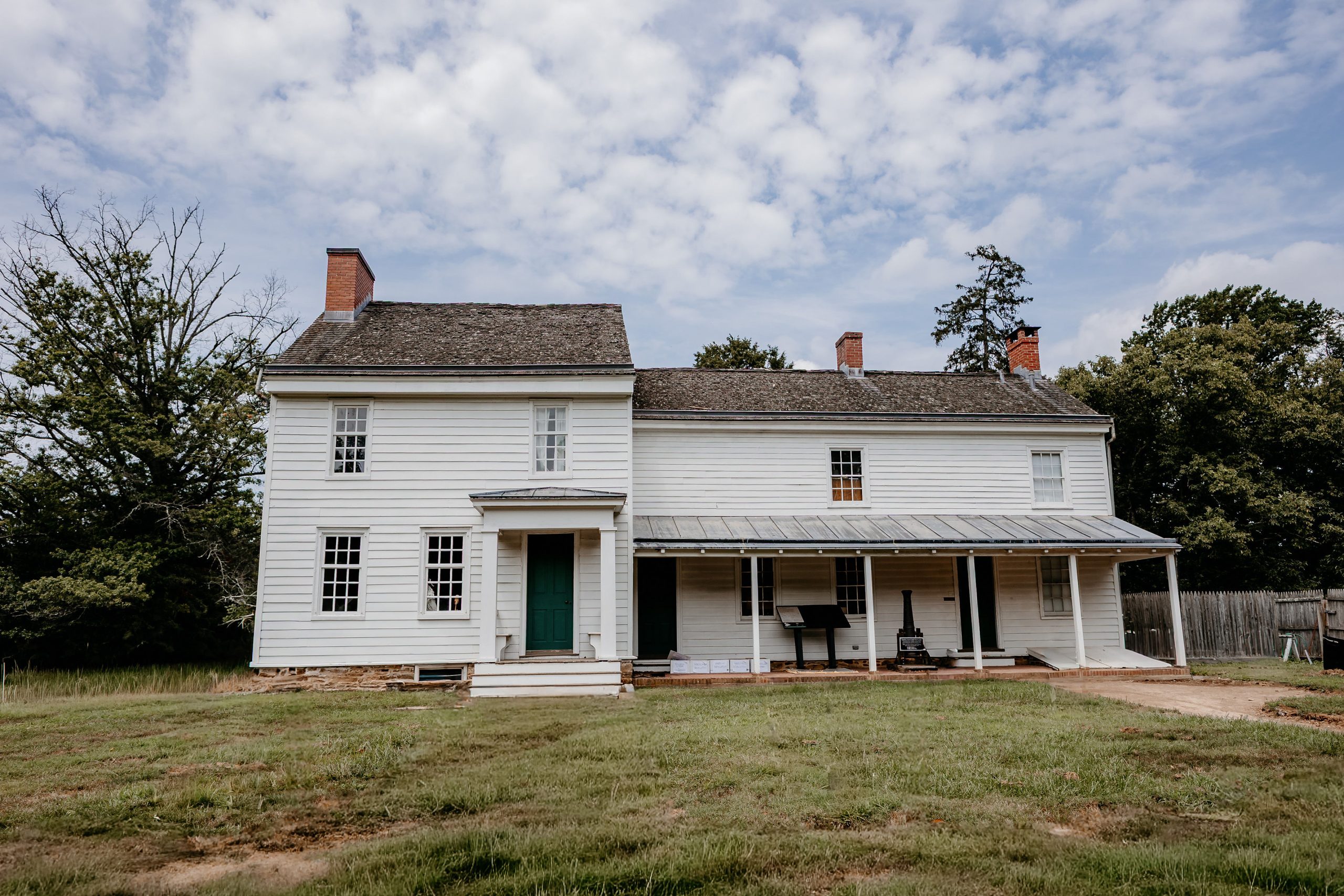
Clarke House Museum
Thomas Clarke acquired 200 acres from his older brother, William, and built this home in 1772. He lived here with his sisters, Sarah and Hannah, and an enslaved woman named Susannah. During the Battle of Princeton, the Clarke House was converted into a field hospital where both American and British soldiers received care — a poignant reminder of the war’s human cost. Today, the home displays period furnishings and authentic medical instruments from the Revolutionary era, offering a powerful glimpse into the realities of wartime medicine.
-
Bainbridge House
Built in 1766, Bainbridge House stands as one of Princeton’s oldest and most historically significant landmarks. During the Revolutionary War, it served both civic and residential roles before becoming the birthplace of Commodore William Bainbridge, a celebrated naval hero of the early American republic. Today, the house is home to the Historical Society of Princeton, continuing its legacy as a cornerstone for preserving and sharing the town’s Revolutionary heritage.
-

Alexander Douglass House
Built around 1760, this historic home once hosted General George Washington and his officers as they planned the counterattack leading to the Second Battle of Trenton. Its close proximity to the Assunpink Creek battlefield makes it a key site in the story of Washington’s strategic brilliance. Today, the preserved home invites visitors to step into the heart of Revolutionary-era decision-making.
-
Old Barracks Museum
The Old Barracks Museum preserves the history of a building constructed in 1758 as a French and Indian War military barracks, used as winter quarters for British soldiers. Throughout the Revolutionary War, the Barracks was used for a variety of purposes by both the British and the Americans. British prisoners of war were held in the Officers’ House, four companies of the Second New Jersey Regiment of the Continental Line were raised here, and in 1777 the Barracks became an army hospital under Dr. Bodo Otto, who oversaw smallpox inoculations for the Continental Army. It also stood witness to Washington’s crucial victory at the Battle of Trenton.
At the beginning of the 20th century, members of the Daughters of the American Revolution and the Colonial Dames organized The Old Barracks Association and spearheaded a campaign to purchase the building. The building has been a museum for over a century, and has frequently been used as a symbol for the state of New Jersey.