
Another key geographic feature along Washington’s route to Trenton. The crossing was one of many challenges faced during the winter march. Now preserved as part of local natural and historical trails.
Place Category: General
-
St. Michael’s Episcopal Church
In 1776, amid internal divisions over loyalty, St. Michael’s Church suspended services. Both Continental and British forces occupied the building during the conflict. Notably, the churchyard became the site of hand-to-hand combat during the First Battle of Trenton on December 26, 1776, as American forces led by George Washington engaged Hessian troops.
-
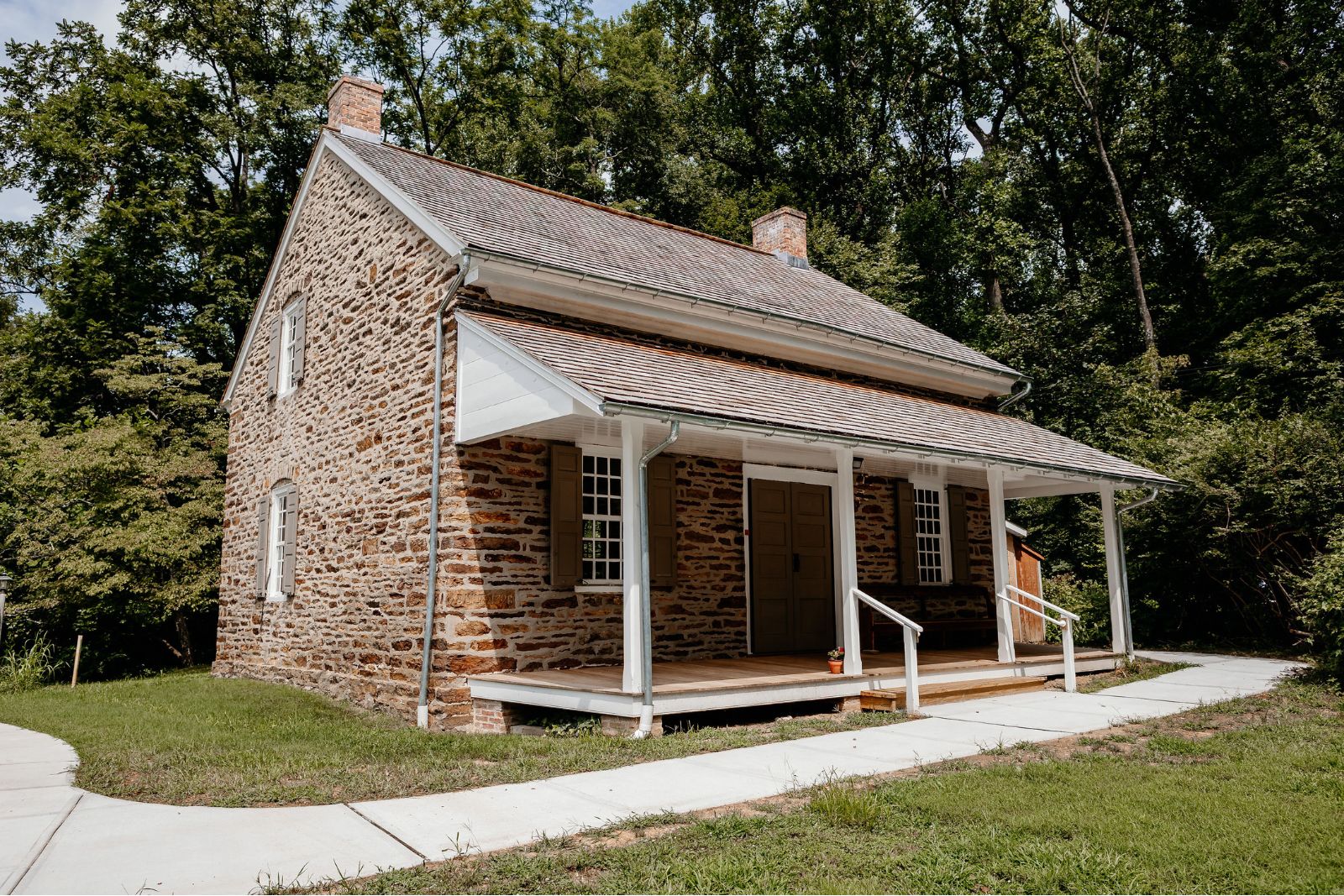
Stony Brook Meeting House | Quaker Meeting House (Princeton)
Built in 1726, this meeting house stood directly in the path of both American and British troops during the Battle of Princeton. As a central place of worship and assembly for local Quakers—renowned for their pacifist beliefs—it became an unintended witness to the turmoil of war. Despite their neutrality, area Quakers found themselves caught between warring sides, their meeting house symbolizing the moral and strategic complexities of the Revolution. Today, the site offers a quiet yet powerful perspective on faith, tolerance, and civic responsibility during a time of national upheaval.
-
Temple-Ryan Farmhouse | Benjamin Temple House Museum and Library
This colonial-era farmhouse withstood the turmoil of the Revolutionary War, offering a glimpse into rural life during that period. Although not the site of a major battle, it represents the agricultural backbone that sustained both soldiers and civilians. The structure stands as a testament to the homesteads affected by troop movements and wartime requisitions, preserving the story of endurance and everyday life during the Revolution.
-
TESU – Wyeth George Washington Mural
This mural by N.C. Wyeth artistically captures George Washington’s crossing of the Delaware. It honors Trenton’s place in the Revolutionary narrative. Displayed prominently, it keeps the memory of 1776 alive through visual storytelling.
-
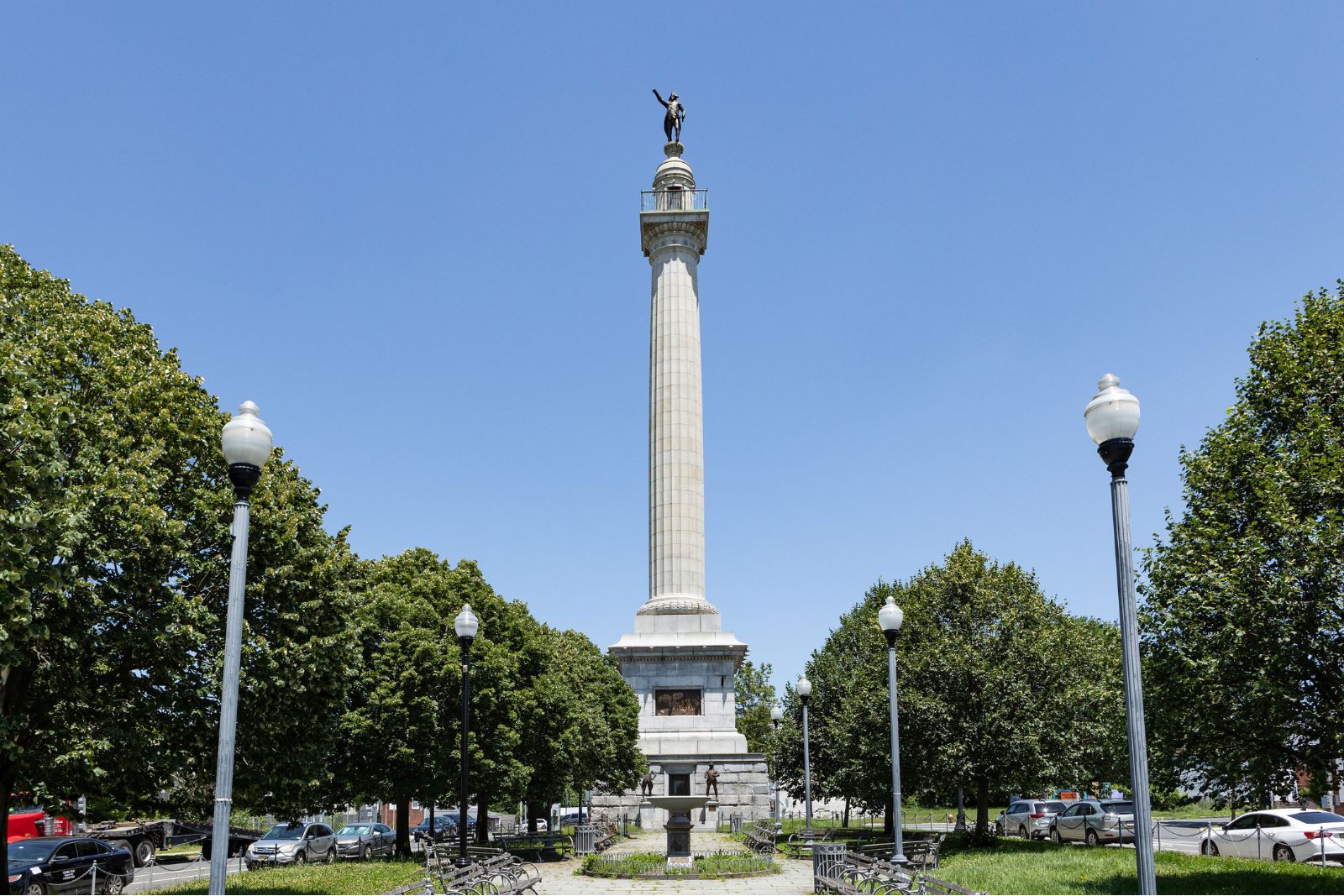
Trenton Battle Monument
Towering over the site of the Battle of Trenton, this 148-foot monument commemorates General Washington’s daring Christmas night attack on Hessian forces. The victory marked a crucial turning point in the Revolutionary War, revitalizing American morale and inspiring new enlistments. Visitors can climb the monument and explore exhibits detailing the artillery positions that helped secure the triumph.
-
Washington Crossing State Park
Washington Crossing State Park marks the very site where General George Washington led the Continental Army across the icy Delaware River on Christmas night in 1776—a bold and decisive maneuver that led to the surprise victory over Hessian forces in Trenton the following morning. This daring operation reignited the American cause at a critical point in the Revolution. Today, the park brings this pivotal moment to life through reenactments, historic monuments, and interactive exhibits that honor the courage, strategy, and coordination behind one of America’s most iconic military achievements.
-
Washington Crossing the Delaware Statue
This statue captures the bold and perilous crossing of the Delaware River by General George Washington on Christmas night, 1776. It honors the courage and strategy that led to a pivotal American victory at Trenton. A powerful reminder of the risk and sacrifice behind our independence.
-
Winds of Change Declaration of Independence Reading Mural
This vibrant mural commemorates the public reading of the Declaration of Independence in Trenton. It symbolizes the transformative moment when citizens first heard the call for freedom from British rule. Located downtown, it bridges modern civic life with Revolutionary-era patriotism.